Cameras · Vandal-resistant
Vandal-Proof Cameras for Reachable Positions
Lift lobbies, car parks, stairwells and any position somebody can reach. The camera is the same 5 MP dome module — what changes is the housing, and getting the word right matters when you write the specification.
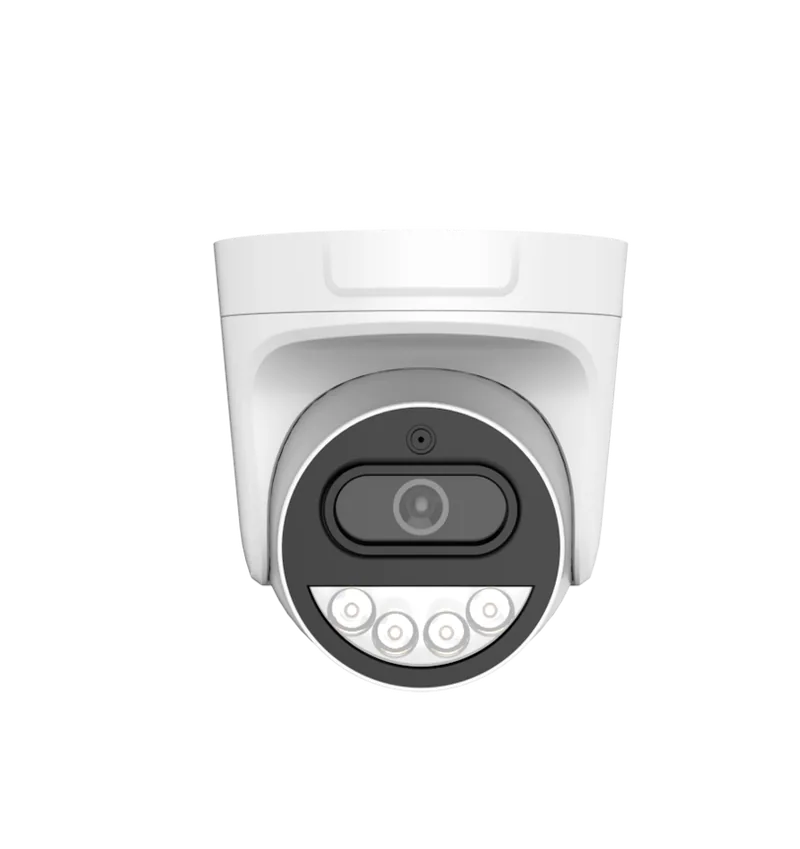
- Anti-vandal, not explosion-proof
- Housing selected per site condition
- Same 5 MP low-light module inside
- Correct terminology for your specification
Vandal-proof is not explosion-proof
These two terms get swapped constantly in specifications, and swapping them sends the project to the wrong supplier. Vandal-proof — also written anti-vandal or vandal-resistant — means the device resists being struck, levered or pulled off its mount. That is what a lift lobby, a car park soffit, a stairwell or a street-facing ground-floor position needs.
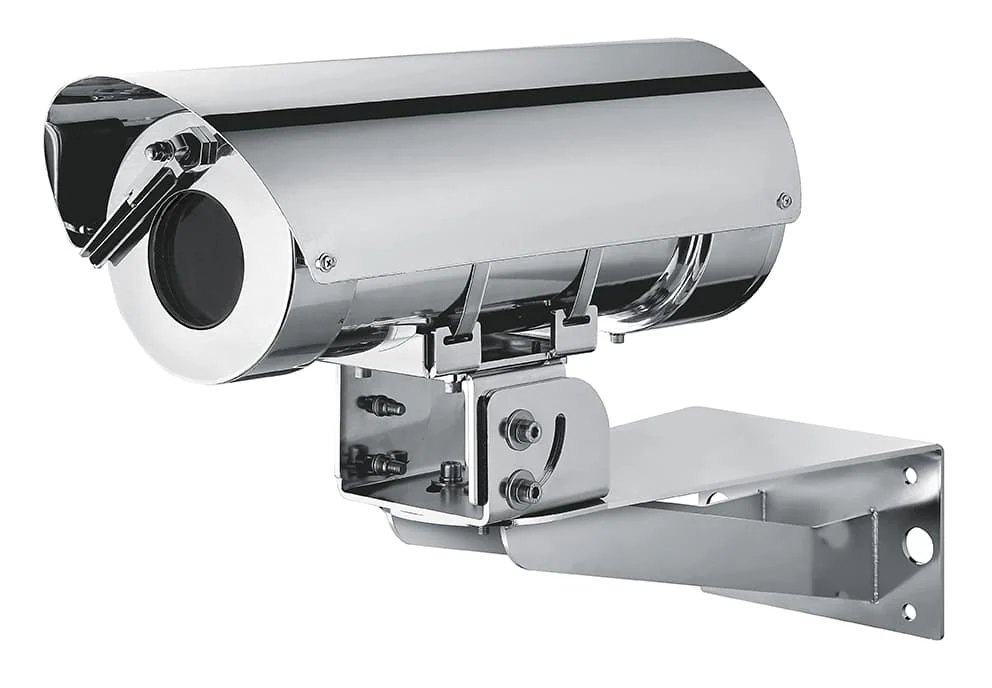
Explosion-proof means the enclosure contains an internal ignition and cannot ignite a flammable atmosphere. It is an ATEX-class product for refineries, chemical plant, mines and other hazardous areas. It is a different product with different certification, and it is not what you want when the risk is somebody hitting the camera with a broom handle.
If your specification says explosion-proof but the requirement is really "cannot be smashed", correct it before you go to tender. Specifying the wrong word attracts quotes for equipment that does not fit the site — and the price difference is large.
Positions that need it
- Lift lobbies and lift cars — the camera is within reach of everybody who uses the building.
- Car park soffits and columns — reachable from a vehicle roof or a trolley.
- Stairwells and service corridors — unsupervised and rarely occupied.
- Ground-floor facades and street-facing positions — reachable from the pavement.
- Retail stock rooms and till areas — staff and public both have access.
- Construction and vacant sites — the highest-risk case, where the camera itself is the target.
What to look for in the housing
The housing is doing the work, so judge it on its own terms. A cast metal base resists levering where a plastic one cracks. Recessed or captive fasteners remove the screwdriver opportunity. A dome that is difficult to rotate holds its aim after an impact. And for an outdoor soffit, the seal and cable entry decide whether water reaches the connector in year two.
The camera inside is our standard 5 MP dome module, so image quality and night behaviour are unchanged. Selecting a housing does not mean accepting a worse picture.
Writing it into a specification
Be specific about the threat rather than the product. "Camera in a vandal-resistant housing, cast base, captive fixings, suitable for a car park soffit" tells a supplier what to quote. "Explosion-proof camera" tells them to quote a hazardous-area enclosure that neither the site nor the budget needs.
For each position, note three things: how high it is, what somebody could reach it with, and whether it is indoors or exposed. Those three facts determine the housing more reliably than any catalogue category.
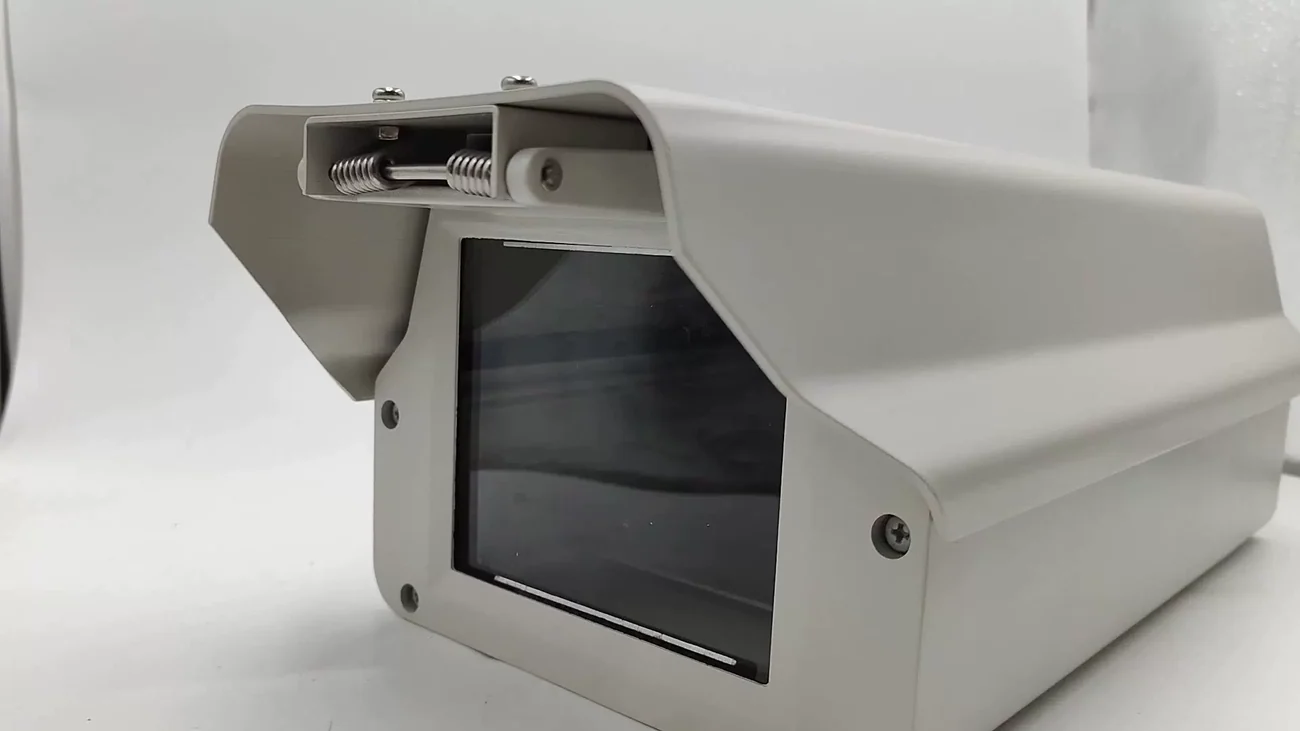
The housing is the product here
For a reachable position, the camera module is the easy half. What decides whether the install survives is the housing: cast base, captive fixings, and a dome that holds its aim after an impact.
Frequently asked questions
Is vandal-proof the same as explosion-proof?
No, and mixing the two in a tender is expensive. Vandal-proof means the housing resists deliberate force from a person — a hand, a tool, a thrown object. Explosion-proof means the enclosure contains an internal explosion and is certified for a hazardous atmosphere. A camera in a lift lobby needs the first; a camera in a solvent store may need the second.
Which positions actually need a vandal-resistant housing?
Any position a person can reach at head height with both hands free: lift lobbies, stairwells, car park cores, loading bays, school corridors. Above roughly 3.5 m, or behind a locked grille, a standard housing is usually the better spend.
What does the housing protect, and what does it not?
It protects the camera module from impacts, from being turned away from the scene, and from casual tampering with the cable entry. It does not make a camera waterproof if the module is not, and it does not extend the field of view — a housing cannot see round a corner the layout already blocks.
How should the housing be written in a specification?
State the housing material and construction, the impact resistance in the terms your tender uses, the mounting type (corner, wall, ceiling, bracket) and the cable entry. Do not put a protection rating on a board-level camera module — the rating belongs to the finished assembly, not to the module inside it.
Plan Your CCTV or Video Wall Project
Send us the building type, floor count and camera estimate — we will come back with a system layout, a bill of materials and a price.