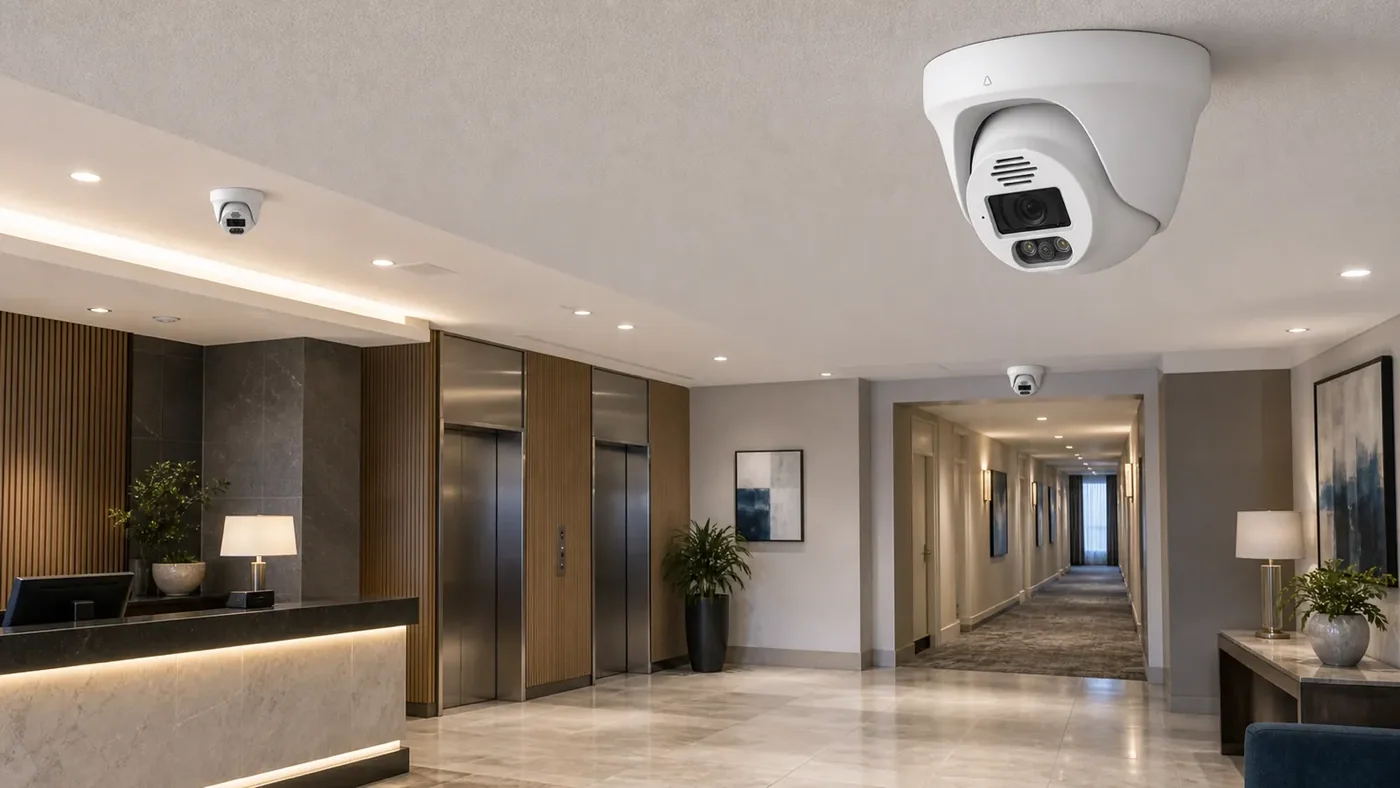
A 5 MP sensor is 2880 pixels wide and a face needs about 250 pixels per metre, so the camera identifies across a view 11.5 m wide — whatever lens puts that width on the subject. Here is the arithmetic, and where it fails: height, light, zoom and the storage bill for detail.
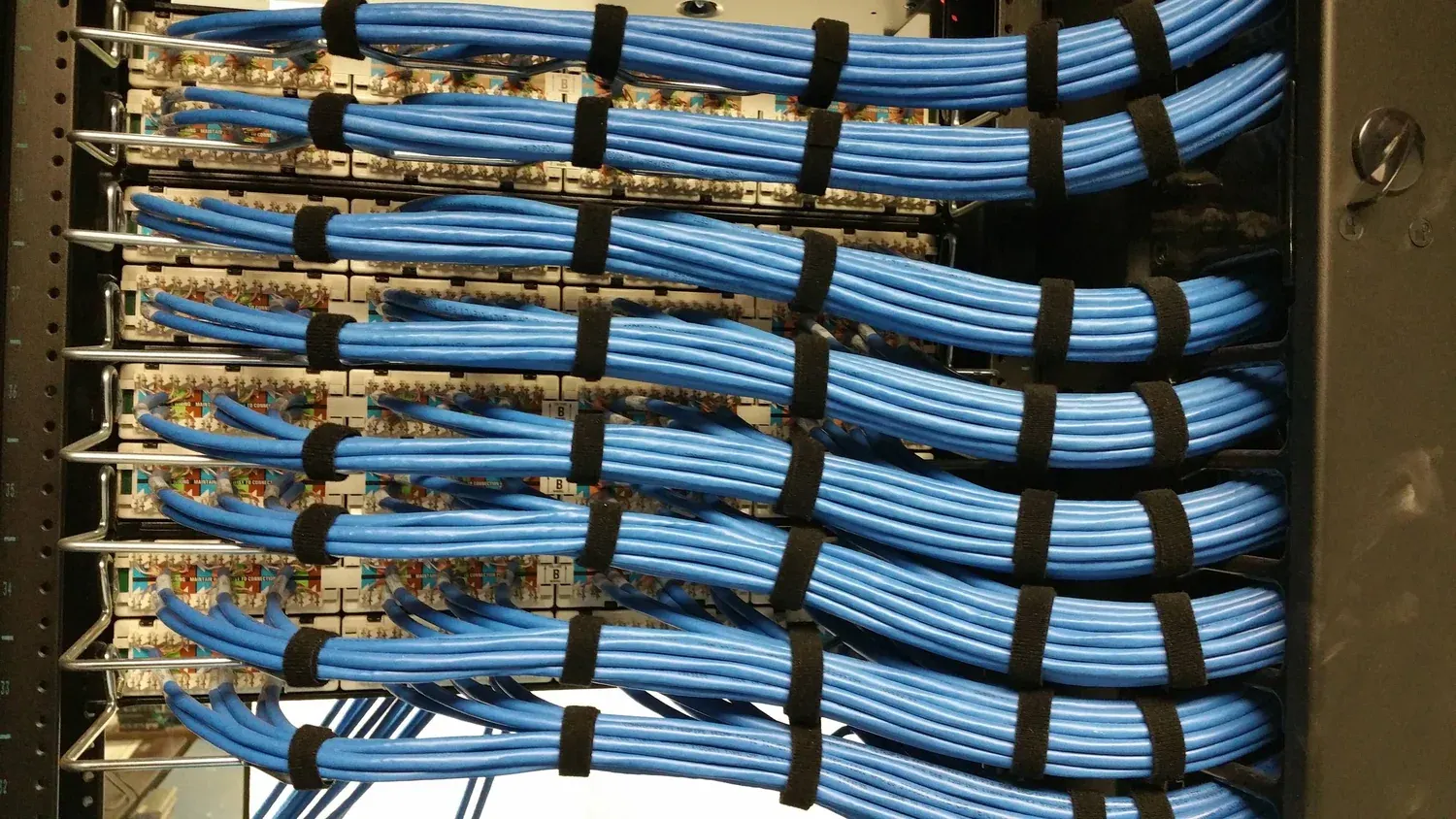
Run the cable where you can. A wireless position is for a gate 400 m from the building, a compound with no mains, a wall nobody may drill — and it moves the cost from copper to coverage, a data plan and a battery. Here is the arithmetic that decides it.
A community pharmacy needs six to eight positions, not one wide camera over the shop floor: the counter, the till, the shelf run, the drugs store, the back door and the yard. Here is what each has to answer, and what resolution and storage it takes.
Half the questions about compatibility are about the handshake, half about features. What ONVIF guarantees, what RTSP adds, and where a mixed system breaks.
The cost question behind a building quote is mostly a storage question: one formula, the gigabytes a channel produces, and what 30, 60 and 90 days hold.
A like-for-like brand swap changes less than most quotes suggest. What an alternative has to replace, what it must not break, and how to price the difference.
Monochrome records brightness; colour records description. What a black-and-white night file cannot prove, what colour costs in storage, and how to specify it.
Starlight is a claim about sensitivity, not a technology. The four numbers any low-light claim needs before it can be compared, and how the thresholds behave.
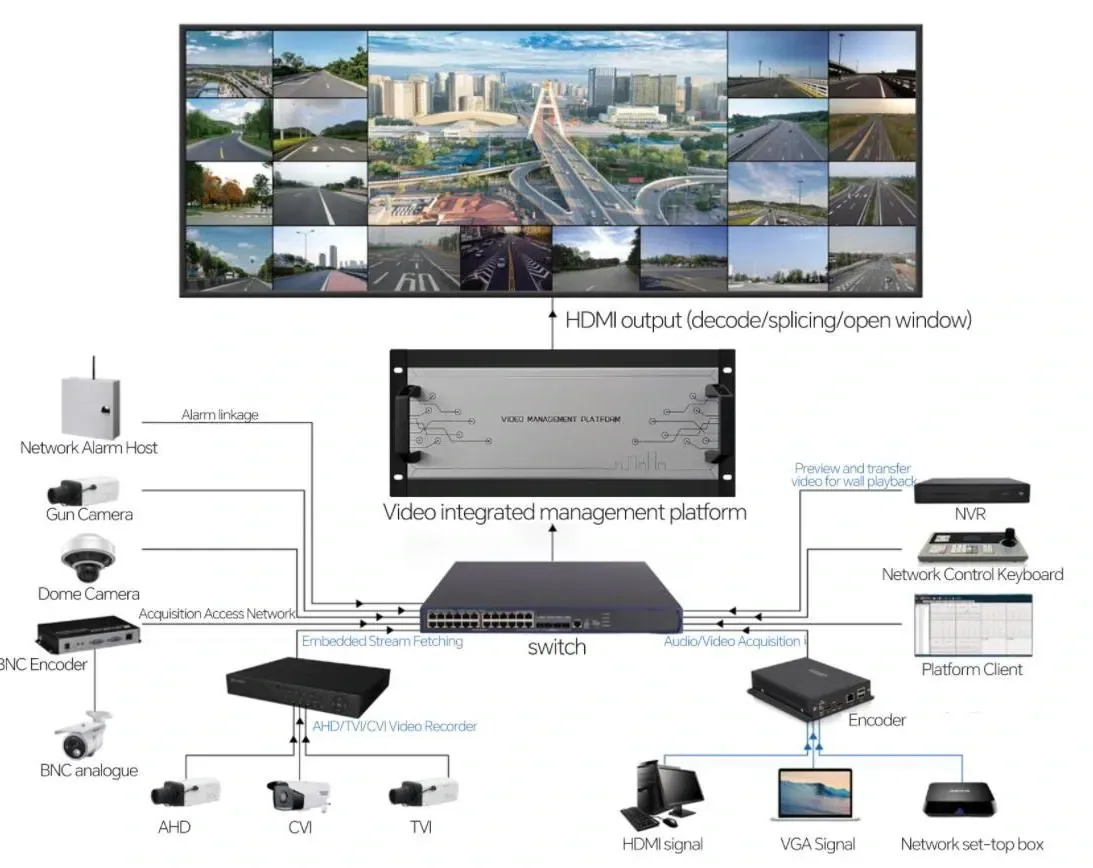
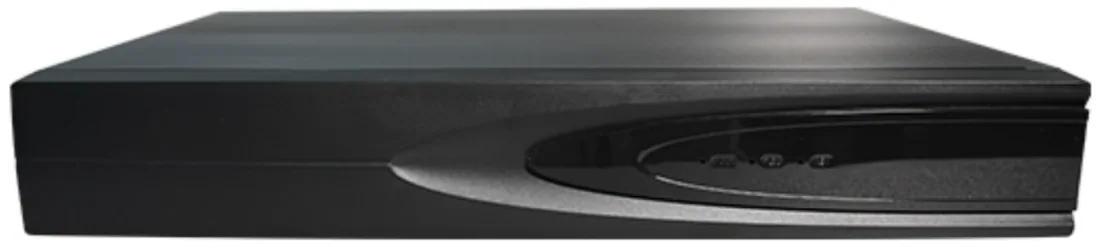
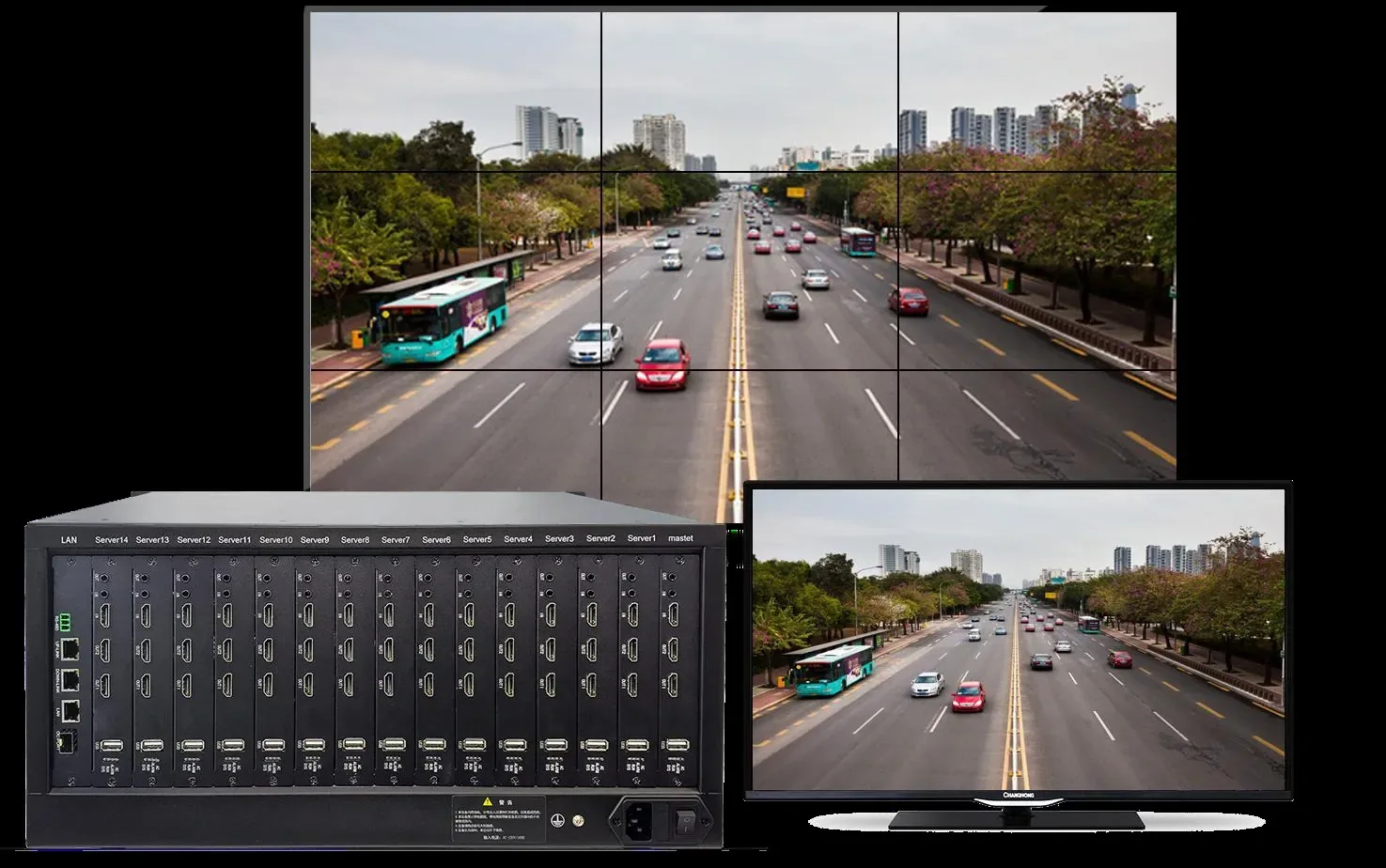
Channel count, drive bays and ingress bandwidth decide which recorder you need. A worked method for sizing channels, storage and retention before you order.
Most camera links run at 100 Mbps, so why does the cable grade matter? Where CAT6 earns its premium on a CCTV run, and where CAT5e is still the right answer.
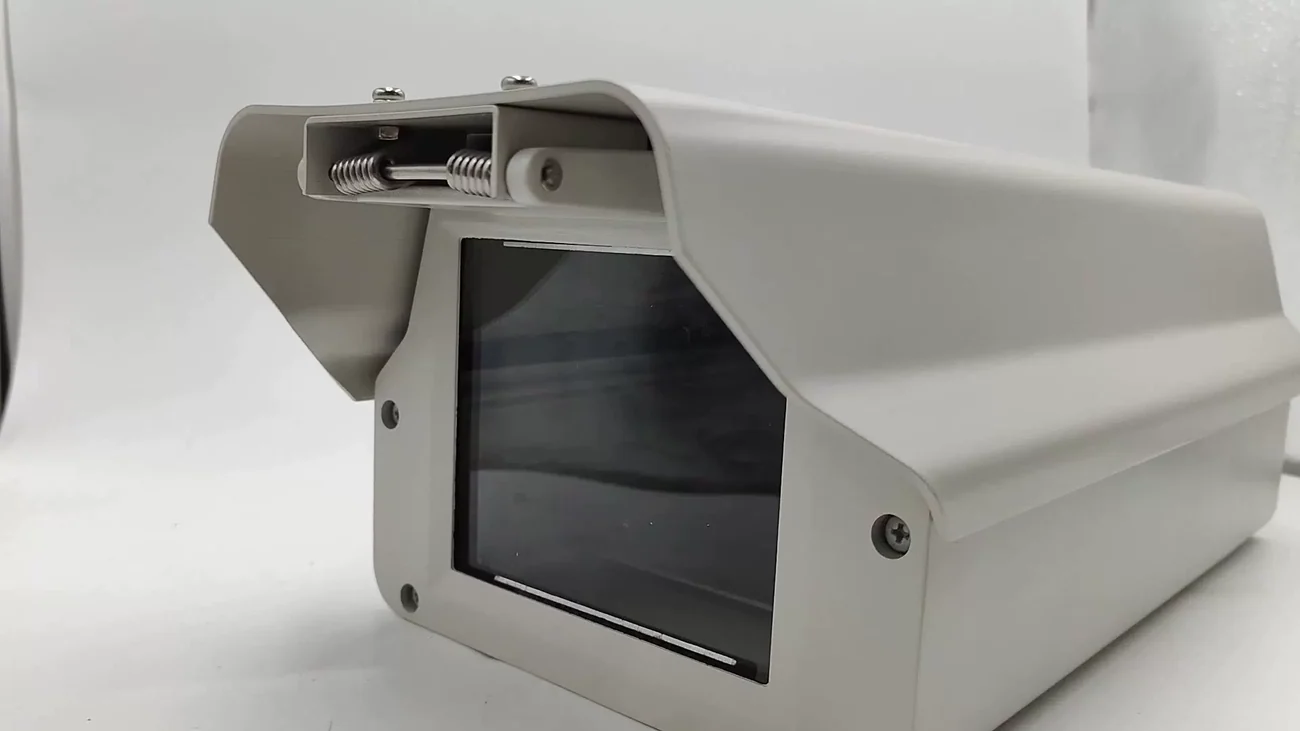
Two terms that sit side by side in tenders and mean unrelated things. What vandal-resistant cameras are for, what explosion-proof requires, and what to write.