Services — OEM and ODM
OEM CCTV and Private Label Systems: What Can Be Branded, and What Cannot
Almost everything your customer sees on delivery day can carry your brand: the outer carton, the device case, the channel display page, the boot screen, the model name, the manual, the packing and the language. One thing cannot: the mobile and desktop client is supplied and maintained by the platform provider, is listed in the app stores under its own name, and is not ours to rename. This page sets that boundary out in writing, before anyone commits to an order or promises a customer something the platform will not deliver.
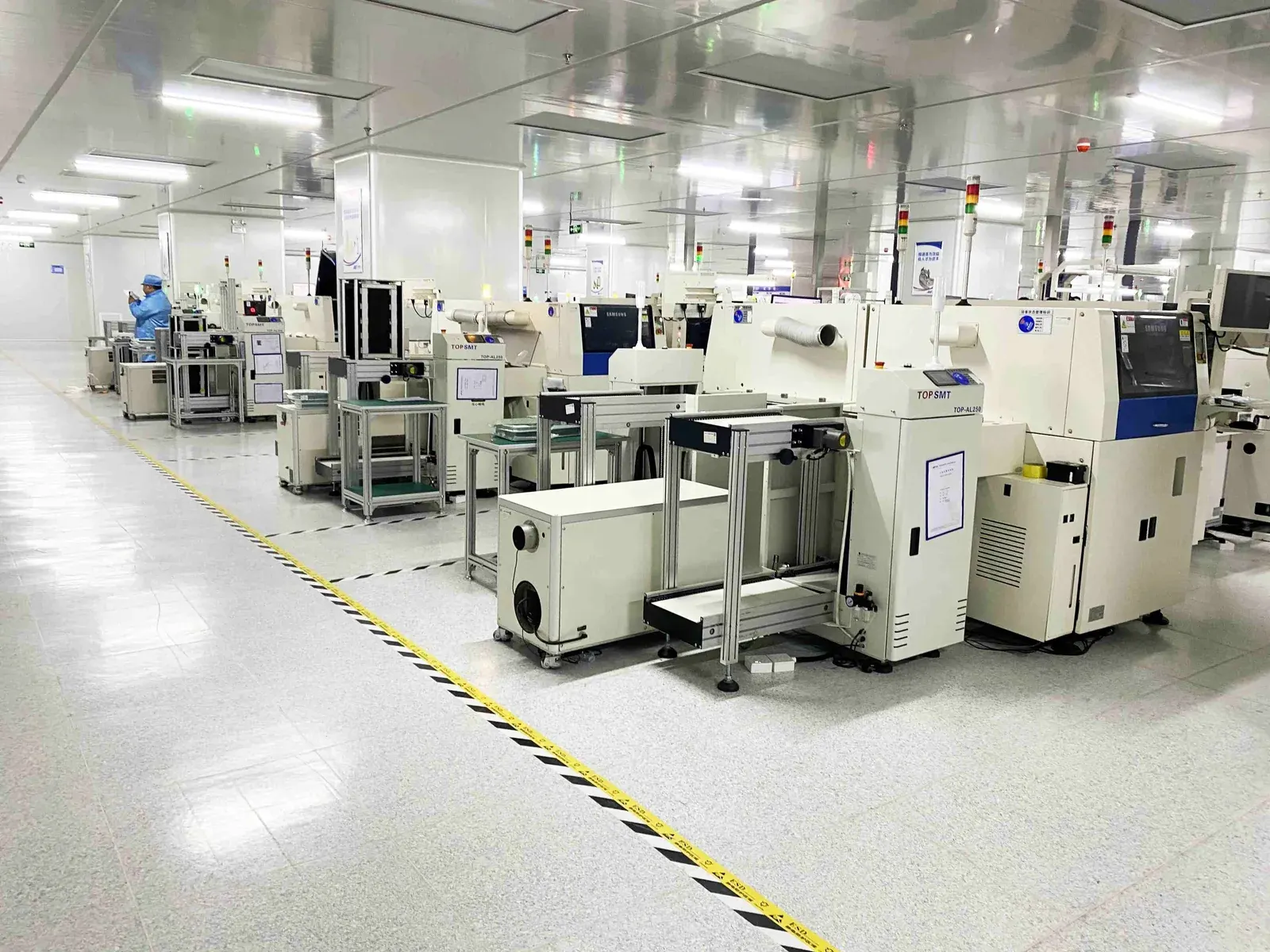
- Logo and model naming on carton, case, channel page and boot screen
- Your manual, your packing list, your language
- The client app keeps its own name — stated up front, not at delivery
- A pre-production sample on every branded run
What you get
The output first, the process after. Every item maps to a line on the quotation.
- 01 Artwork checklist and proof One document listing every branding surface on the order with the file we need for each, followed by a proof for approval. Nothing goes to print or to a firmware build without an approved proof.
- 02 Pre-production sample A sample built from the frozen artwork and model list — carton, case marking, channel display page, boot screen, manual and packing — retained as the reference for the production run.
- 03 Model mapping sheet Your model names against our internal model numbers, in writing, so that a repeat order, a spare camera or a warranty unit matches the first shipment without a guessing game.
- 04 Production and packing record Units are powered and functionally checked before packing, and the packing list carries the model, quantity and branding item for every carton in the shipment.
- 05 Documents with the shipment Commercial invoice, packing list, the model mapping sheet and the specification sheet for the models shipped. Import licences, clearance and local certification stay with you or your importer of record.
What OEM and ODM mean here
OEM, in this range, means your brand on the system we supply: your logo on the carton and the case, your name in the channel display and on the boot screen, your model naming on the label, your manual in the box. The electronics, the firmware platform and the protocols stay as specified, which is what allows a branded system to behave exactly like the documented specification — ONVIF, RTSP and GB28181 for integration, H.265+ / H.265 / H.264 for recording, 5 MP full colour imaging at 0.1 Lux in colour on every camera.
More detail
ODM means we agree the product definition with you inside the options the platform actually supports: which cameras and ports are in the kit, what accessories travel with it, the model ladder across the range, the housing finish where the housing offers a choice, and the packaging. What we do not offer as part of an OEM or ODM order is a new board, a new lens or a new injection mould — those are different products with their own tooling and their own timetable, and we would rather say so than take an order we cannot honour.
The practical consequence is simple. You get a branded system with a fixed, documentable specification, and you get it without owning tooling. You do not get a unique hardware platform, and if your business plan needs one, this is not the right basis for it.
The branding surfaces, one by one
| Surface | Branding | What we need from you |
|---|---|---|
| Outer carton and shipping marks | Yes — printed to your artwork for the production run | A vector logo (AI, EPS or PDF), the carton text, the language, and any market marks you are responsible for supplying |
| Device case — camera, switch, recorder | Yes — printed or etched on the case per model | A simple monochrome version of the mark. The printable area is small, so a clean single-colour logo reproduces well and a detailed one does not |
| Channel display page | Yes — your brand shown on the channel display, set per model in the configuration | The exact text or logo file, and confirmation of where it appears on the display |
| Boot screen | Yes — your logo and optional brand text on startup, set per model | The artwork plus the model list, because the boot screen requires a firmware build for each model in the branded run |
| Model naming | Yes — the model code on the label, the carton and the documents | Your naming scheme and the mapping to our internal model numbers, in writing, so that a repeat order or a spare part matches the first shipment |
| Manual or quick-start guide, and language | Yes — your layout, your language, printed for the run | The base technical content comes from us in English; translations are supplied or approved by you before the print run |
| Packing, kit contents and accessories | Yes — within what the kit supports | What goes in the box, which accessories travel with each model, and how the units are packed for your warehouse or your project site |
| Mobile and desktop client application | No — supplied by the platform provider and listed under its own name | Nothing, because it cannot be changed. Plan your customer documentation around the app’s own name instead |
More detail
These are the surfaces available, what you need to send us for each, and what it does to the order. Anything that requires a firmware build is a per-model decision rather than a per-carton one, which is why the model list and the branding list have to be confirmed together.
Adding a model to a branded run therefore means confirming the boot-screen and channel-page build for that model, not just printing another carton. It is the single item most often discovered too late, which is why it is written here rather than in a private email.
The client application, stated plainly
The app your end users install — on a phone, a tablet or a Windows PC — comes from the platform provider. Its name, its icon, its store listing and its update cycle are the provider’s, not ours, and no order value changes that. Remote access, user accounts, push notifications and the cloud connection all live inside that application.
More detail
What we can brand is what sits around it: the carton the system arrives in, the case it is made of, the channel display page and the boot screen, the model on the label and the manual in the box. Protocols are the second half of the answer. Because the cameras and the recorders speak ONVIF, RTSP and GB28181, a buyer who needs a differently branded client can run the system on another management platform that provides one — the cost is that this is a system-level decision made before the order, not a logo change made after it.
If your business model depends on shipping your own branded mobile app, this platform is not the right basis for it, and we will tell you that before the order rather than after it. Buyers who need a private-label app are, honestly, not our customers for this range.
Minimum order quantity, and how it is actually set
There is no single minimum order quantity for OEM, and a supplier who quotes one without looking at your list is quoting a number rather than a plan. The minimum is set per model and per customisation item, and it follows the cost behind each item: printed cartons and manuals are a print run, case marking and a boot-screen build are production-batch work, new model naming and language variants multiply labelling and documentation, and a mixed order of several models has its own structure.
More detail
So the answer is always the same shape: send the model list with the quantities and the branding items, and we will confirm the minimum for that combination in writing with the quotation. What we will not do is publish a floor number that turns out not to apply to your order, or accept a branded order and then move the goalposts when the artwork arrives.
Two commercial points that matter more than the minimum. Branding does not change the hardware: a branded unit is the same unit with the same specification as the unbranded one, and its warranty and the spare-parts route are identical. And branding is a repeatable configuration — once a model has been through a branded run, the artwork, the build and the naming are on file, so the next order is a repeat rather than a project.
Sampling, production and what travels with the shipment
A branded order follows a fixed sequence, and the sequence exists to protect both sides: nobody wants to discover an artwork problem on a finished carton, and nobody wants a sample that does not match production.
More detail
Samples are produced from the frozen artwork and the frozen model list, and they are the reference for the run. Once you approve the sample, that approval is what production is measured against. Changes after approval — a moved logo, a different model mix, a new language — are a new run with its own print or build cost, and we will tell you that at the time you ask rather than after the invoice.
Intellectual property and compliance: who is responsible for what
OEM work moves responsibility around, so it is worth being exact about which part is whose. These are the lines we work to, and they are the same on every branded order:
- You confirm that you hold the rights to every logo, name, mark and text you ask us to print, and that printing them does not infringe anyone else’s rights. If a claim arises over a mark you supplied, it is yours to answer.
- We print what you approve on the artwork proof. Nothing is printed from a verbal instruction or a screenshot, and changes after the print run are a new run at your cost.
- Branding does not transfer ownership of the product design, the firmware or the platform. Your brand identifies the product in the market; it does not buy the design behind it.
- Import licences, customs clearance and market-specific product certification or registration are yours or your local importer’s responsibility. We do not arrange them, we do not include them in a price, and we do not promise that goods will be admitted to any market.
- What we do provide with the shipment is the commercial and technical documentation that accompanies the goods: commercial invoice, packing list, the model list with the internal-to-branded model mapping, and the specification sheet for the models shipped.
- Where a market requires the importer or the brand to be registered locally, that registration is yours. It is a normal part of importing and it is not something a factory can do on your behalf from another country.
Frequently asked questions
Can you put our logo on the cameras and the packaging?
Yes — the outer carton, the device case, the channel display page, the boot screen, the model name on the label, the manual and the packing all carry your brand, and the artwork is confirmed on a proof before anything is printed. The one surface that stays as it is: the mobile and desktop client application, which is supplied by the platform provider and listed under its own name. Send the model list, the quantities and a vector version of the mark, and we will come back with the surfaces available for those specific models, because the boot-screen build in particular depends on which models are in the run.
Can you re-brand the mobile app for our customers?
No, and we will not pretend otherwise to win an order. The app is supplied and maintained by the platform provider: its name, icon and app-store listing are theirs, and no order value changes that. Remote access, accounts and notifications all live inside it. What we can brand is everything around it — the carton, the case, the channel display page, the boot screen, the model codes and the manual. If your product requires your own branded app, the workable routes are to run the system on another platform that offers one, or to build a client of your own against the ONVIF, RTSP and GB28181 interfaces the cameras publish.
What is the minimum order quantity for OEM?
It is confirmed per model and per customisation item, and it is stated in writing with the quotation — there is no blanket figure that would be true across a camera, a PoE switch, a recorder and a printed carton. Printed cartons and manuals are a print run; case marking and a boot-screen logo are production-batch work; a new language or a new model name adds labelling and documentation. Send the model list, the quantities and the branding items, and we will confirm the minimum for exactly that combination. If a number you are given elsewhere looks too good for a branded run, it is usually a number for an unbranded one.
How does the sample process work?
We freeze the artwork and the model list first, then build the sample from them: carton, case marking, channel display page, boot screen, manual and packing. That sample becomes the reference the production run is measured against. Once you approve it, production follows; changes after approval — a moved logo, a different model mix, a new language — are a new run with its own print or build cost, and we will say so at the time you ask rather than at invoice. Samples take their place in the production schedule like any other order, and the date is confirmed in writing when the artwork is frozen.
Who owns the design, and who owns the brand?
You own the brand and you are responsible for the rights to it: you confirm you hold the marks you ask us to print, and you answer any claim that arises over them. We retain the product design, the firmware and the platform. Branding identifies the product in your market; it does not transfer the design behind it, and it does not create an exclusivity over the model unless that has been agreed separately in writing. If your plan needs exclusivity on a model in your market, raise it as a commercial proposal with the market, the volume plan and the term, and we will answer it as one rather than assume it.
Plan Your CCTV or Video Wall Project
Send us the building type, floor count and camera estimate — we will come back with a system layout, a bill of materials and a price.